.png)

19/100
A SHORT ARTICLE ON MUSIC
The Three Magic Kings: Bach, Mozart, Beethoven
One cannot write about music—and I don’t mean classical music, but music in general, in every time and place after 1685—without first mentioning the three great ones.
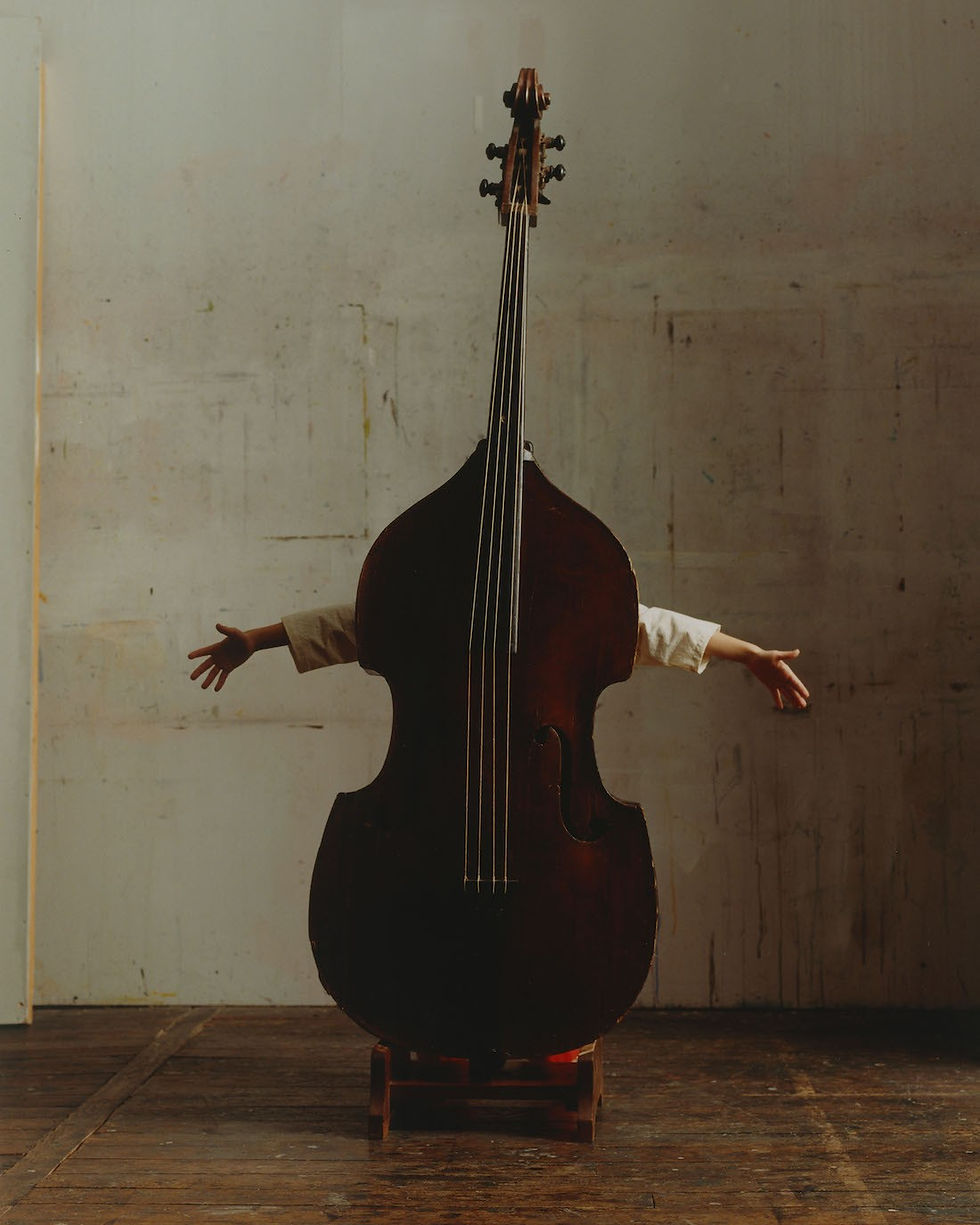
One cannot write about music—and I don’t mean classical music, but music in general, in every time and place after 1685—without first mentioning the three great ones. There’s simply no comparison. No musician after them has come close to sitting at their table. They stand far apart. But who knows, maybe one day we’ll have a fourth.
A rough definition of music is the intentional arrangement of sounds. Until recently, that intention was exclusively human, but now AI composes music with no human input (here’s a song). So the definition has expanded to include our strange new robot friends.
The philosophy of music tends to focus on three main questions. First, the nature of music itself: what kind of thing is a musical work? Is it the live performance, the written score, or perhaps a set of instructions that can take many forms? Second, the expression of emotion: how can music convey sadness or joy without words or narrative? What does it mean when we say a piece is “tragic” or “joyful”? Third, the value of music: how does it shape culture or identity? And here we stumble upon one of the most polarising debates in the field—high art versus low art. Classical music is placed at the top; pop music, inevitably, at the bottom.
Now, here’s a quick way to understand those philosophical questions. If you ask what music is, the answer depends on the composer: if it’s Bach, music is a religious experience. If it’s Mozart, music is ecstasy. If it’s Beethoven, music is an existential crisis. As for emotion, these men were so powerful that they could channel precisely what they intended through sound. Their works don’t just express emotion—they speak it. And whether we realise it or not, our brains know how to listen. Finally, the value of music? That’s the easiest one. Listen to Bach’s St Matthew Passion, Mozart’s Requiem, or Beethoven’s Ninth Symphony, and you’ll know.
So why start with Bach? What was so great about him? Simple: he could play like no one else before him. His technical mastery in a time of underdeveloped instruments was astonishing. He was born in Eisenach (Germany) in 1685, into a family of court and church musicians, just like Beethoven. He was first taught by his older brother, Johann Christoph Bach, and at the age of 20, he walked over 400 kilometres to Lübeck to meet a famous composer. Later, he rose to fame as an organist and eventually became choirmaster in Leipzig, one of the most prestigious musical positions of his time.
When you listen to Bach, you might notice how similar much of his music sounds. That’s no accident—it was shaped by his context. In his time, music was composed primarily for churches, not concert halls. So you won’t find percussion or loud brass in his works; they would have disrupted the peaceful atmosphere of the liturgy. Music back then was for Sunday masses, court ceremonies, and the occasional noble patron. There were no public concerts in the way we know them today. To get a sense of his greatness, try the St Matthew Passion, the Brandenburg Concerto No. 3, or the Prelude and Fugue in C Major from The Well-Tempered Clavier.
Then comes Mozart. A true prodigy—far beyond even Bach in childhood genius. He began composing music at the age of 5, and by 6, he was performing for European royalty. His father, Leopold Mozart, was both a talented composer and a tireless promoter. He deserves credit for his son’s success, but also for much of his anxiety. Mozart was born in Salzburg in 1756—you can still visit his house—and later moved to Vienna. But most of his life was spent on the road. In fact, historians estimate that he spent over eleven years travelling, which is impressive considering he died at just 35.
He was lively, impulsive, cheerful, and messy, writing music for joy and sometimes out of necessity. He loved spending money, often more than he had. His letters are full of humour and absurdity. What sets Mozart apart from Bach is his astonishing variety. He could go from silly to sublime in seconds. In a single symphony, he’d mix melancholy, elegance, and pure joy. To understand him, listen to the Piano Concerto No. 21 (“Elvira Madigan”), The Magic Flute, or the Symphony No. 40 in G minor. And if you haven’t seen Amadeus, now is the time. It’s one of the rare cases where Hollywood got something truly right.
And then, the third king. The so-called “Napoleon of the Piano”. Beethoven was born in Bonn in 1770. His father and grandfather were court musicians, and his father had hoped to recreate the Mozart phenomenon. However, instead of strict discipline, he brought home alcohol and trouble. Beethoven adored two people: his mother and his mysterious “Immortal Beloved,” a woman he wrote to in a letter and whose identity remains unknown. He never married. He had no children. But he did adopt his troubled nephew, Karl.
Beethoven wrote over 700 works and spent most of his life in Vienna. By then, public concerts were common, and opera was the dominant form—but Beethoven wasn’t drawn to opera (he wrote only one, Fidelio). What fascinated him was something else: the symphony. And that’s where he changed music forever. Bach gave us sacred wonder. Mozart gave us elegance and joy. But Beethoven gave us struggle. He transformed inner conflict into sound. He gave music a new language, one that could handle rage, despair, courage, and redemption. And the most incredible part? He wrote some of his greatest masterpieces while completely deaf. To grasp his power, start with Symphony No. 5, the Moonlight Sonata, or Symphony No. 9.
Sure, many great composers came before and after them. But there has never been anyone like this trio. Their innovation, skill, boldness—and above all, their genius—remain unmatched. Thankfully, we don’t have to explain them. Their music speaks for itself. It’s not always easy listening. Like many great artworks, it takes time. But the more you listen, the more you understand—and the more you enjoy. Classical music, especially through this trinity, is one of those rare gifts that remind us how brilliant human beings can be.
By Carlos M. Suárez Tavernier